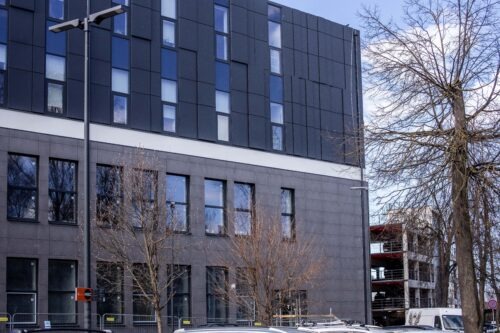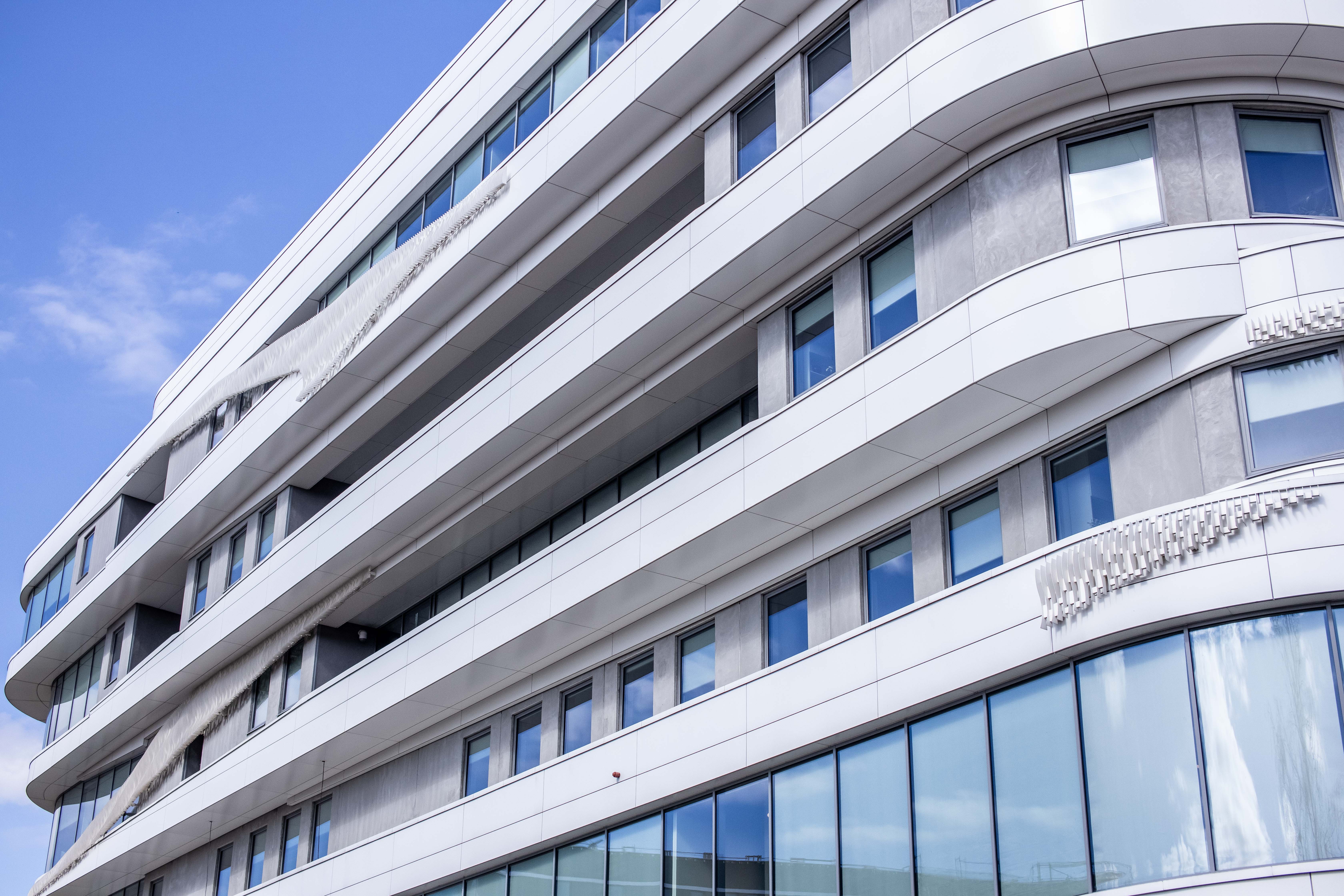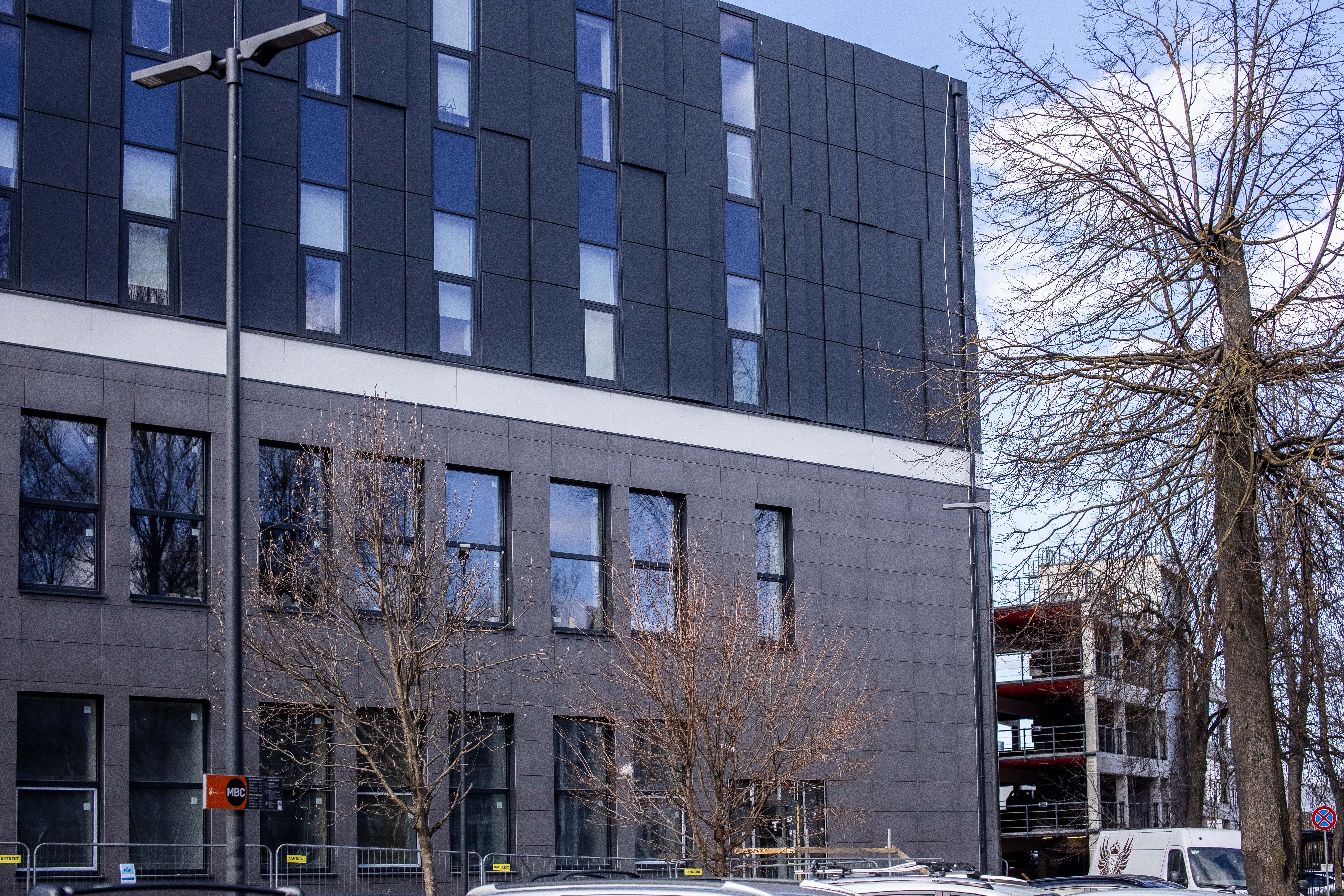


The Mūkusalas Business Center continues to develop, expanding its operations to include the medical sector. By 2026, a Dental and Optometry Clinic of the University of Latvia’s Faculty of Medicine and Life Sciences, and Faculty of Exact Sciences and Technology will begin operating at 4 Dēļu Street. Stella Lapiņa, Vice-Dean of the Faculty of Medicine and Life Sciences, discusses the project’s development, the choice of location, and its significance for the study process and the surrounding environment.
A modern environment as the foundation for quality education
The consolidation and modernization of University of Latvia structural units in recent years has been a deliberate, results-oriented decision requiring both courage and a visionary approach to space planning. Stella Lapiņa emphasizes that the change was necessary:
“The clinic has been operating for more than ten years, and during this time, technology, study approaches, as well as students’ expectations regarding the learning environment, have significantly changed.”
In the study process, the environment is just as important as the content, as the quality and ergonomics of the premises determine how effectively students can master complex procedures. “Today, not only the study content is important, but a modern environment is equally crucial. The dentistry clinic came into the focus of our faculty leadership, and we decided that it needed to be modernized.”
Initially, the clinic was planned for a different location; however, as Stella Lapiņa notes, this decision was reconsidered during the project’s development. While designing the new University of Latvia Health House, it became clear that significantly more space was required for the successful operation and expansion of the dentistry program:
“When we began designing the new Health House, we realized that several thousand square meters were lacking for dentistry alone, as the needs had expanded.”
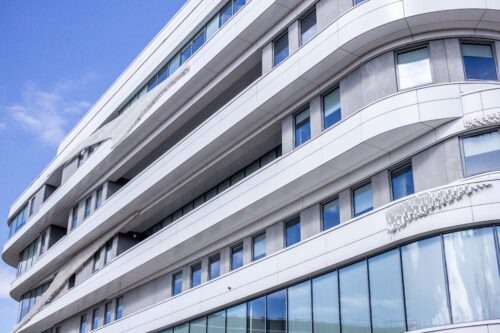
The transition to the new location was not accidental – it resulted from a careful procurement and selection process, evaluating not only technical conditions but also the “character” of the building and its compatibility with the University’s long-term goals. “At the time of procurement, the offer at 4 Dēļu Street was both financially the most advantageous and the most suitable in terms of location,” she adds.
This choice marks a new phase in the University of Latvia’s development, where medical education is no longer isolated in laboratories but becomes actively integrated into the city’s business and innovation ecosystem, creating a natural synergy between academic science and the real market.
Close to the Academic centre
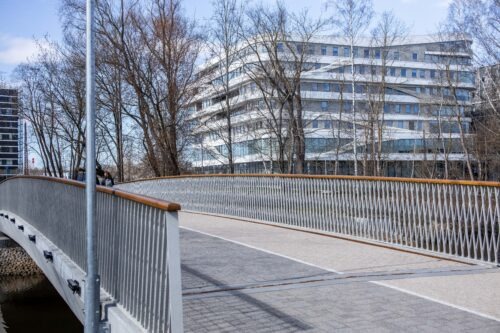
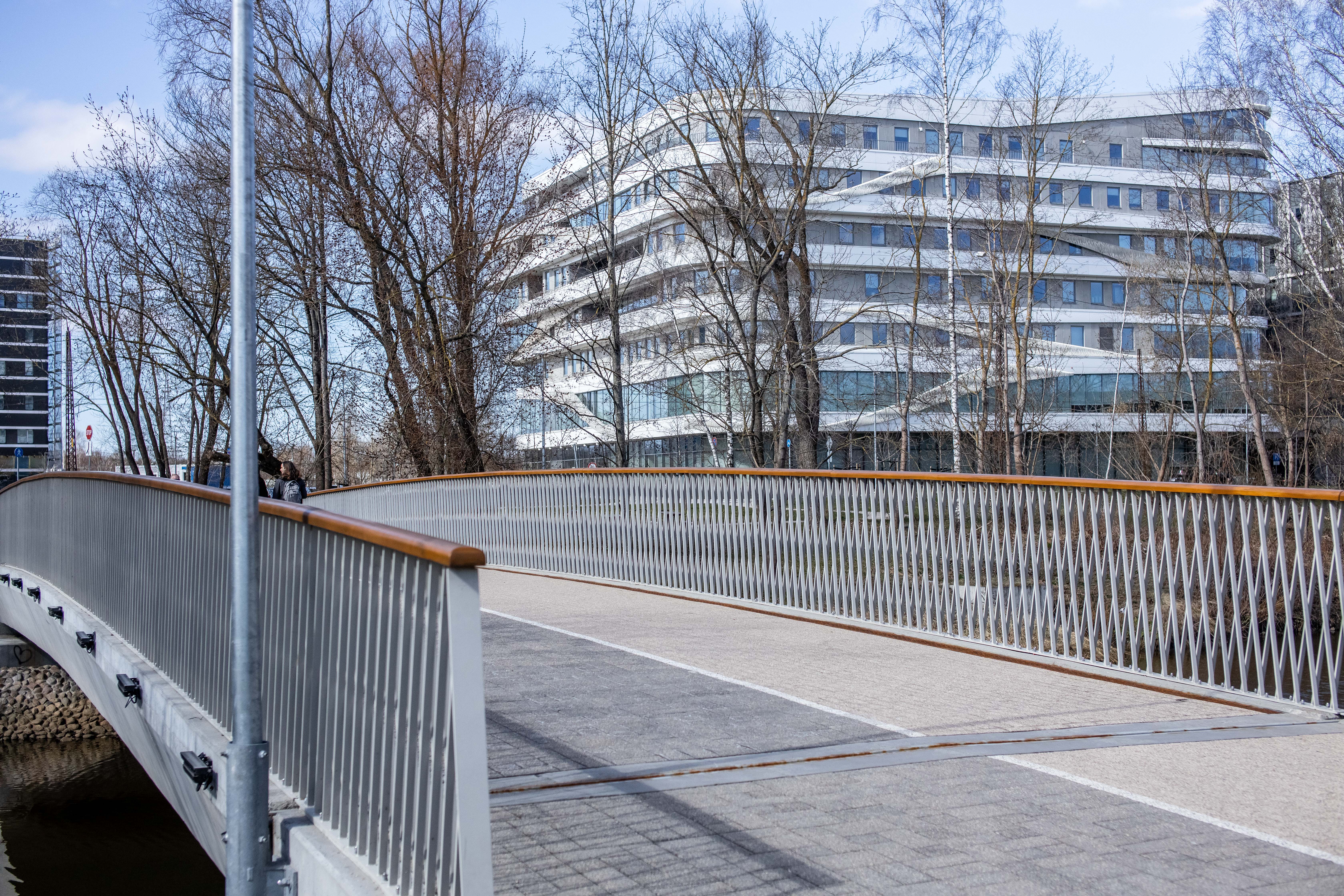
The choice was largely determined by the location. Mūkusalas area offers developed infrastructure in close proximity to the University of Latvia Academic Centre, and this was one of the key factors in decision-making. “It was very important to be close to students. The pedestrian bridge across the canal is a simple solution with significant benefits – students can reach the clinic within five minutes,” says Stella Lapiņa.
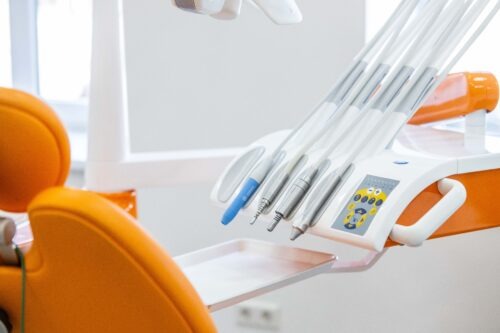
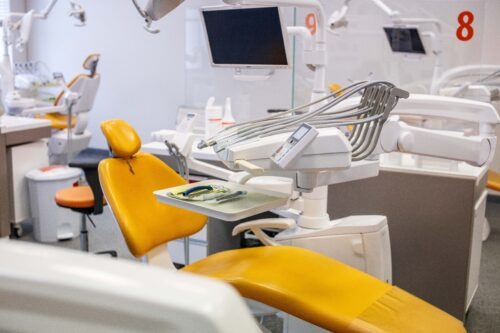
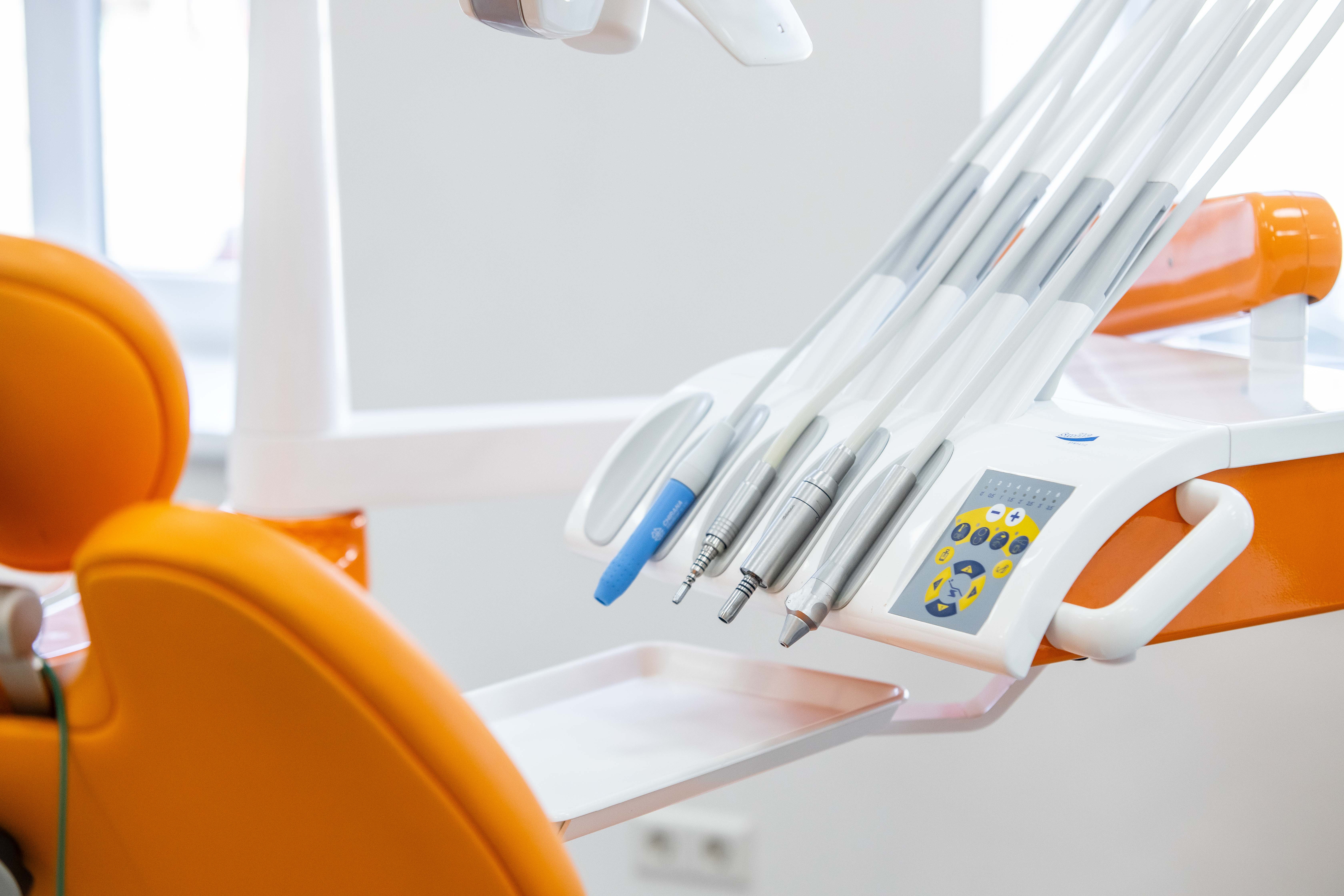
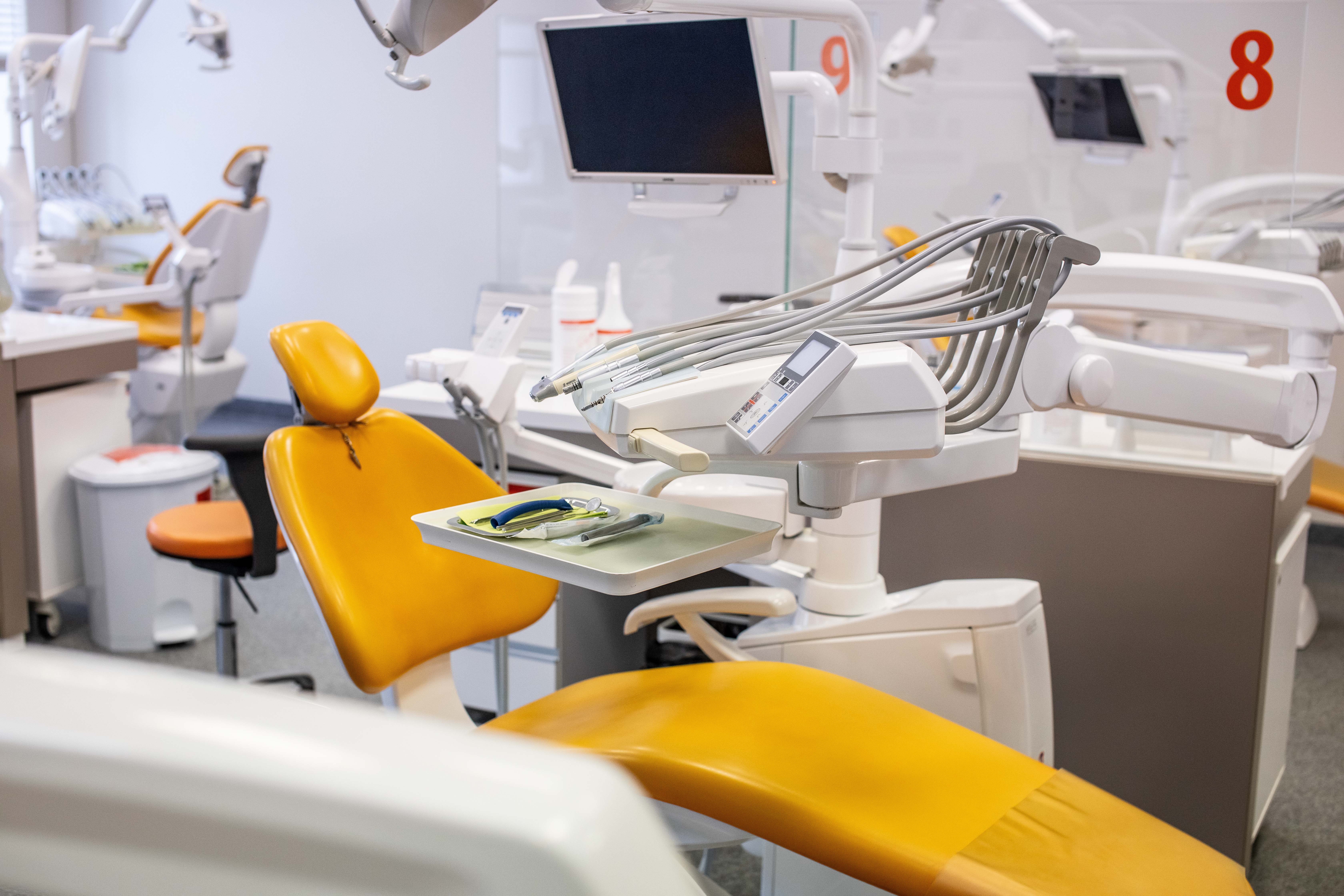
However, location was not the only reason. Cooperation with the Mūkusalas Business Center and the project at 4 Dēļu Street was also successful from financial and technical perspectives. Establishing a medical facility requires specific engineering solutions, which the developer’s team was able to provide in accordance with requirements. “The specifics of a dentistry clinic require complex engineering systems, including water, air, and sewage connections for each workstation.”
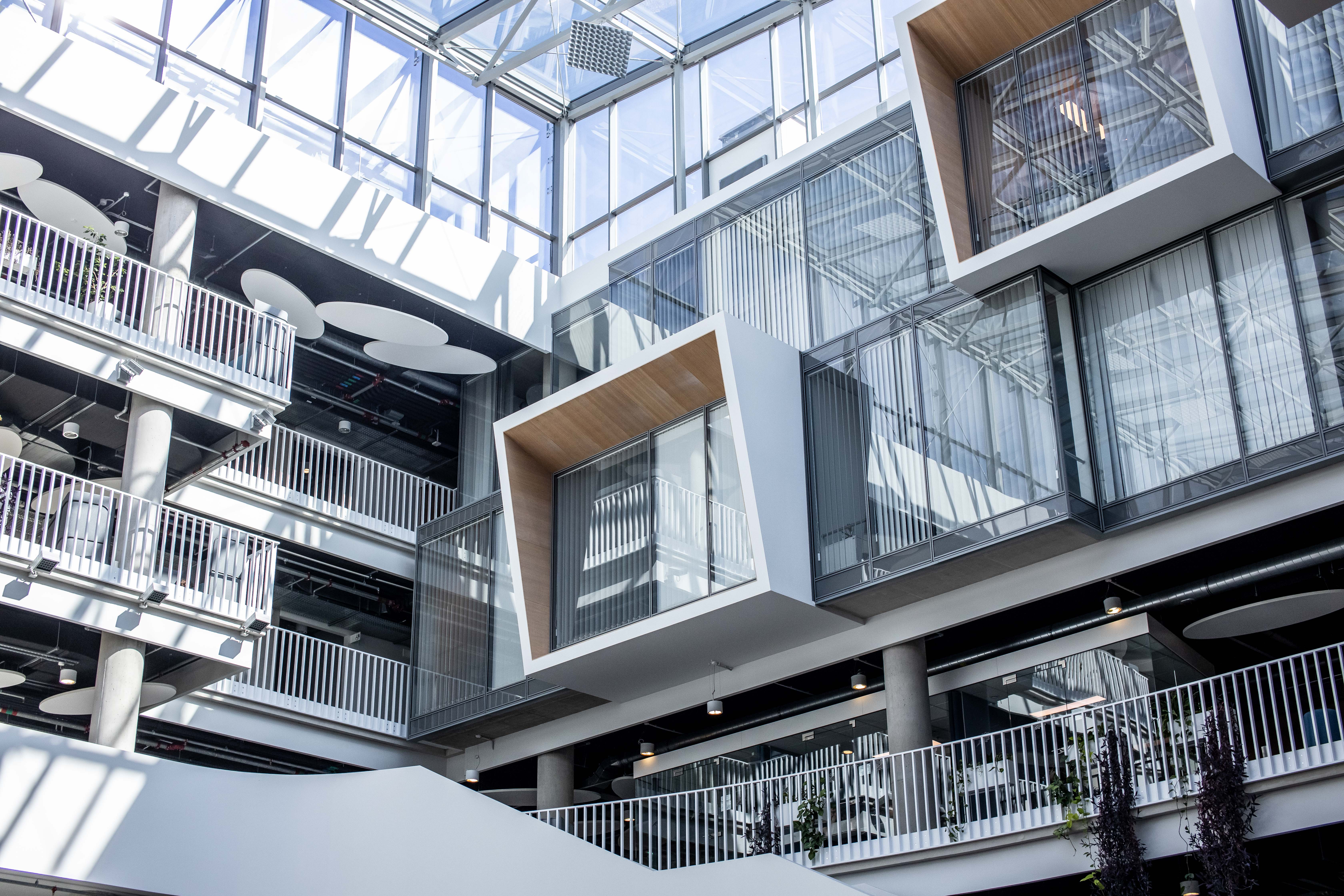
Stella Lapiņa highlights the professional collaboration with engineers and architects, which enabled these solutions to be successfully implemented. The ability to adapt the building to specific medical requirements makes this location suitable for healthcare businesses requiring technically advanced and well-designed workspaces.
Two programs in one environment
Both dentistry and optometry specialists will operate within the clinic’s premises. The optometry program is currently developing, and its integration with dentistry in a shared environment allows for a more efficient study and practical process. This decision was made to ensure the continued development of both programs. As Stella Lapiņa explains:
“By placing two programs in one location, in one clinic, and under one management, we will achieve excellent results – both in improving study quality and in research and clinical practice.”
The implementation of technical solutions was one of the most critical aspects, as medical facilities exceed standard office space parameters. In addition to previously mentioned engineering systems, the clinic must ensure specialized ventilation and air quality control.
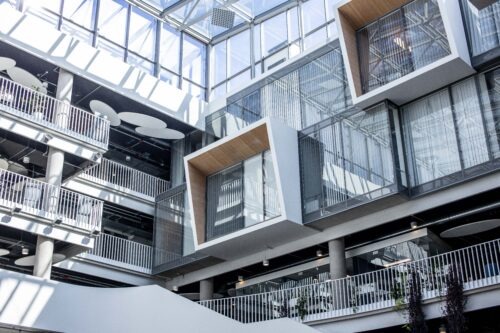
Stella Lapiņa notes that the technical infrastructure of 4 Dēļu Street allowed these solutions to be implemented without compromising quality. The building is technically prepared for the medical sector, covering all necessary requirements from electrical capacity to specialized sewage systems. If the infrastructure can support a dentistry clinic, it is also suitable for other medical practices or diagnostic centers.
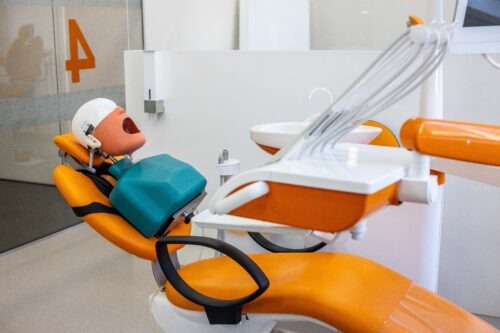
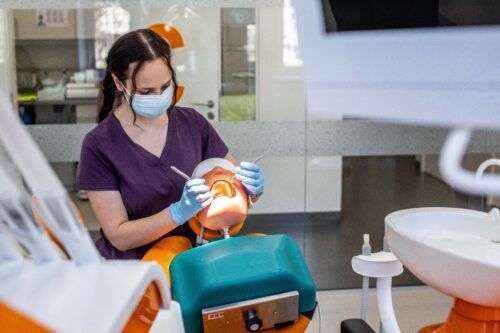
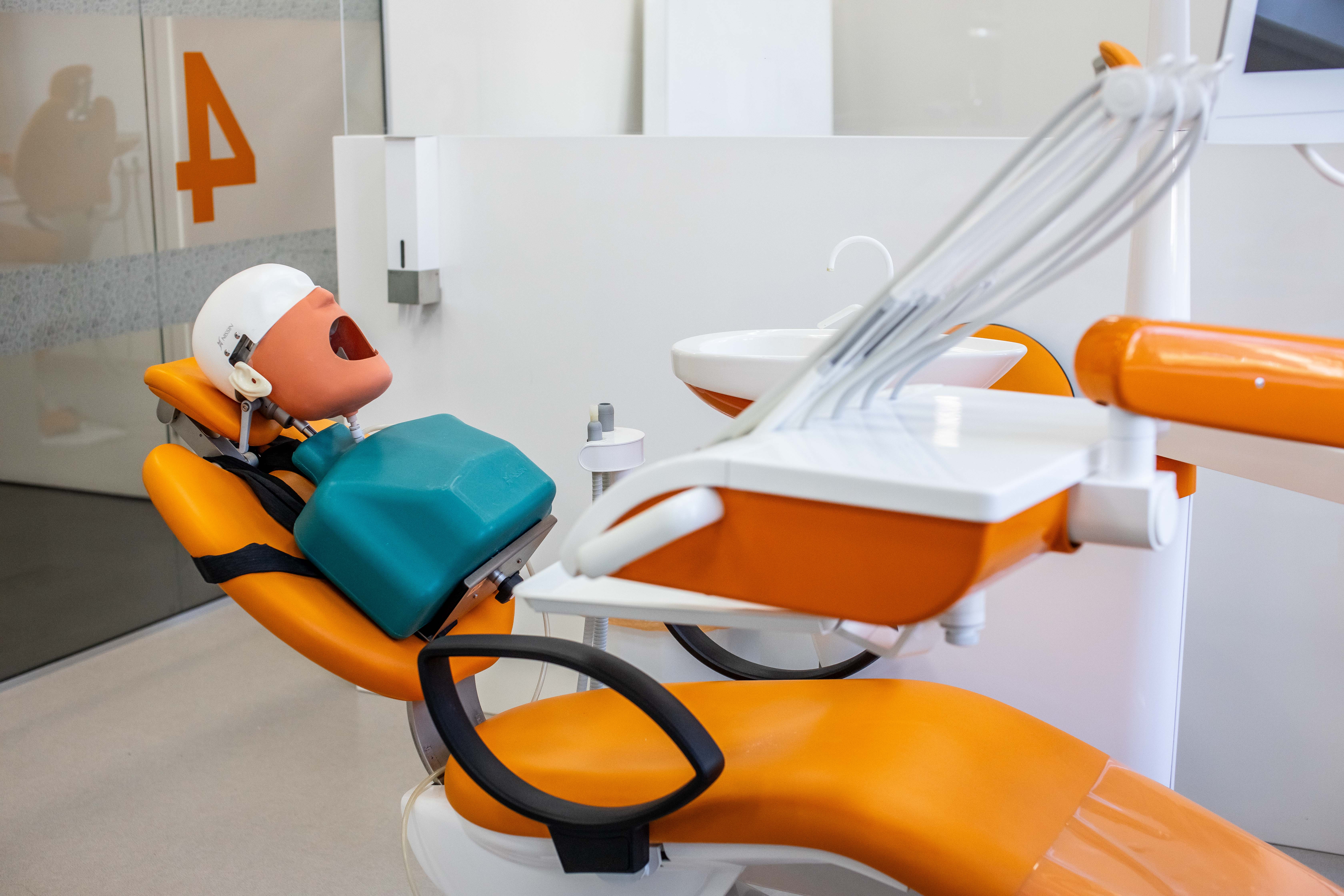
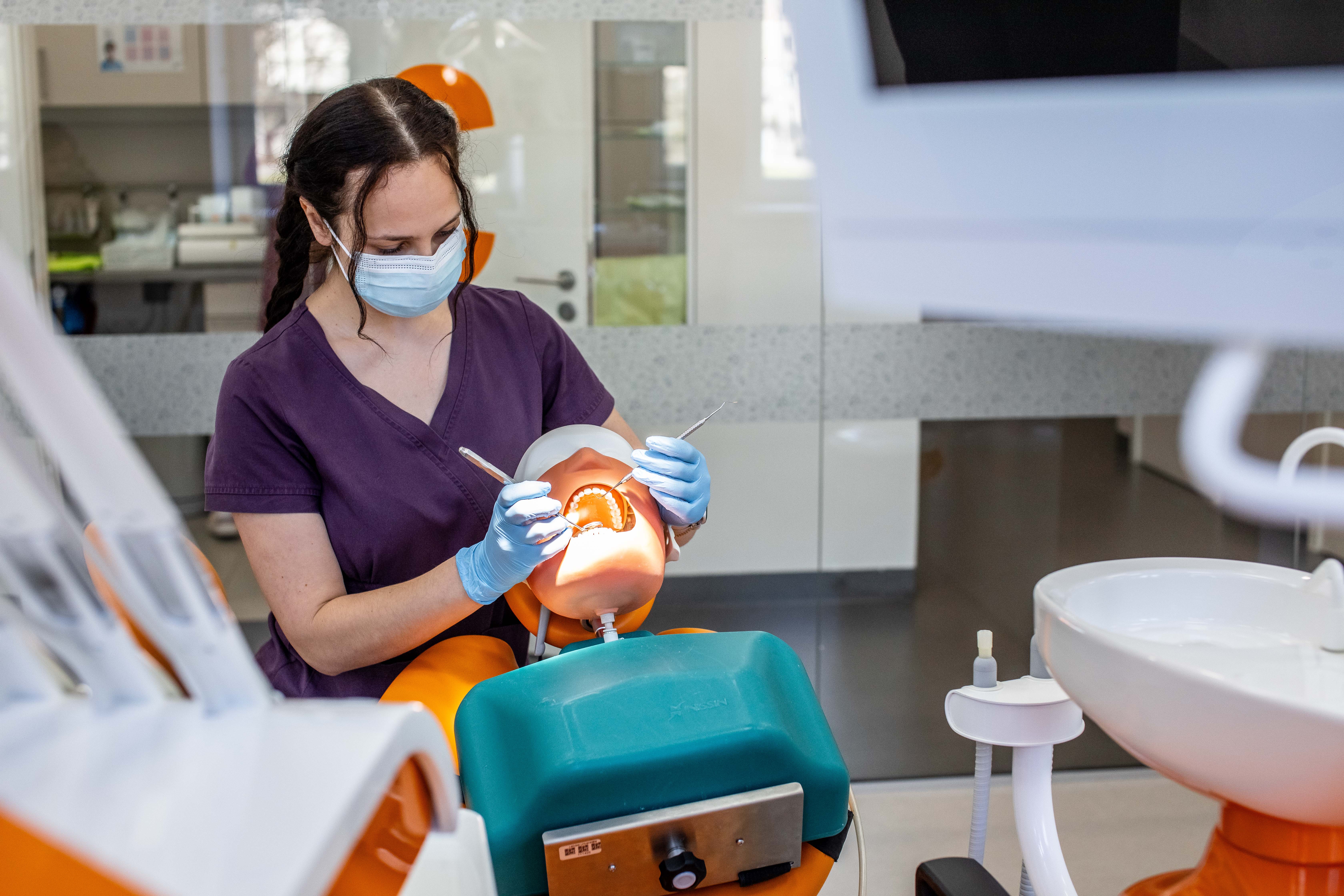
Alongside clinical functions, the new premises will include simulation laboratories. First-year students will be able to practice on mannequins, ensuring a gradual and safe transition to working with patients. Stella Lapiņa emphasizes that the clinic will also be available to the public, offering qualified specialists and a modern care environment. This will be a significant benefit for both employees and residents of the Mūkusalas area, providing healthcare services closer to their daily routines.
4 Dēļu Street is developing as an environment for companies across various industries, while also creating opportunities for growth in the medical segment. Stella Lapiņa emphasizes that the project’s goal goes beyond providing study facilities:
“We would be happy to see colleagues from both healthcare and other sectors in this building. We are open to cooperation, because as my experience shows – it leads to positive and effective results.”
The clinic is scheduled to open in the summer of 2026, expanding opportunities in medical education and healthcare in the Mūkusalas area. This marks an important step in the development of the area, where alongside business activity, a strong medical sector is also emerging.