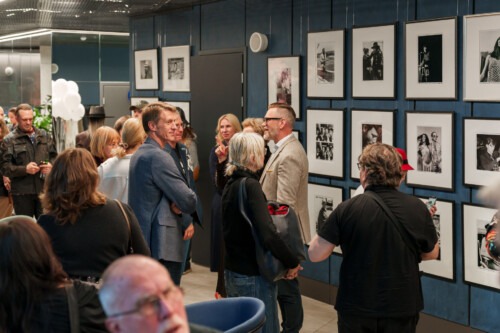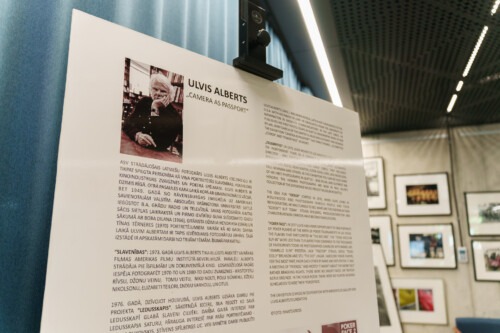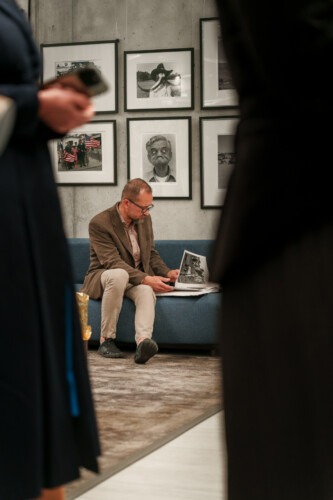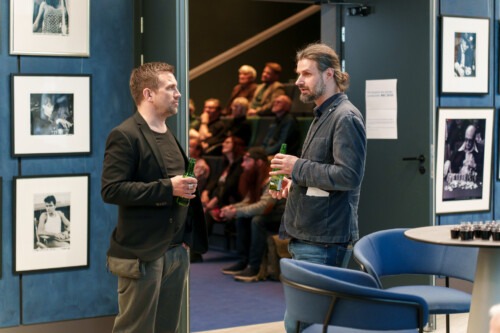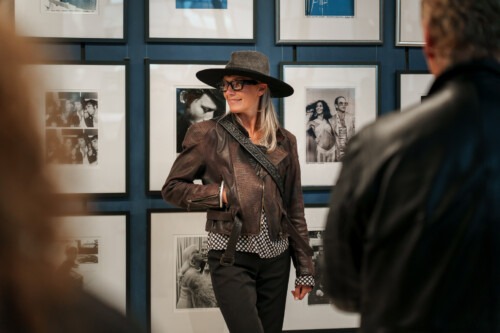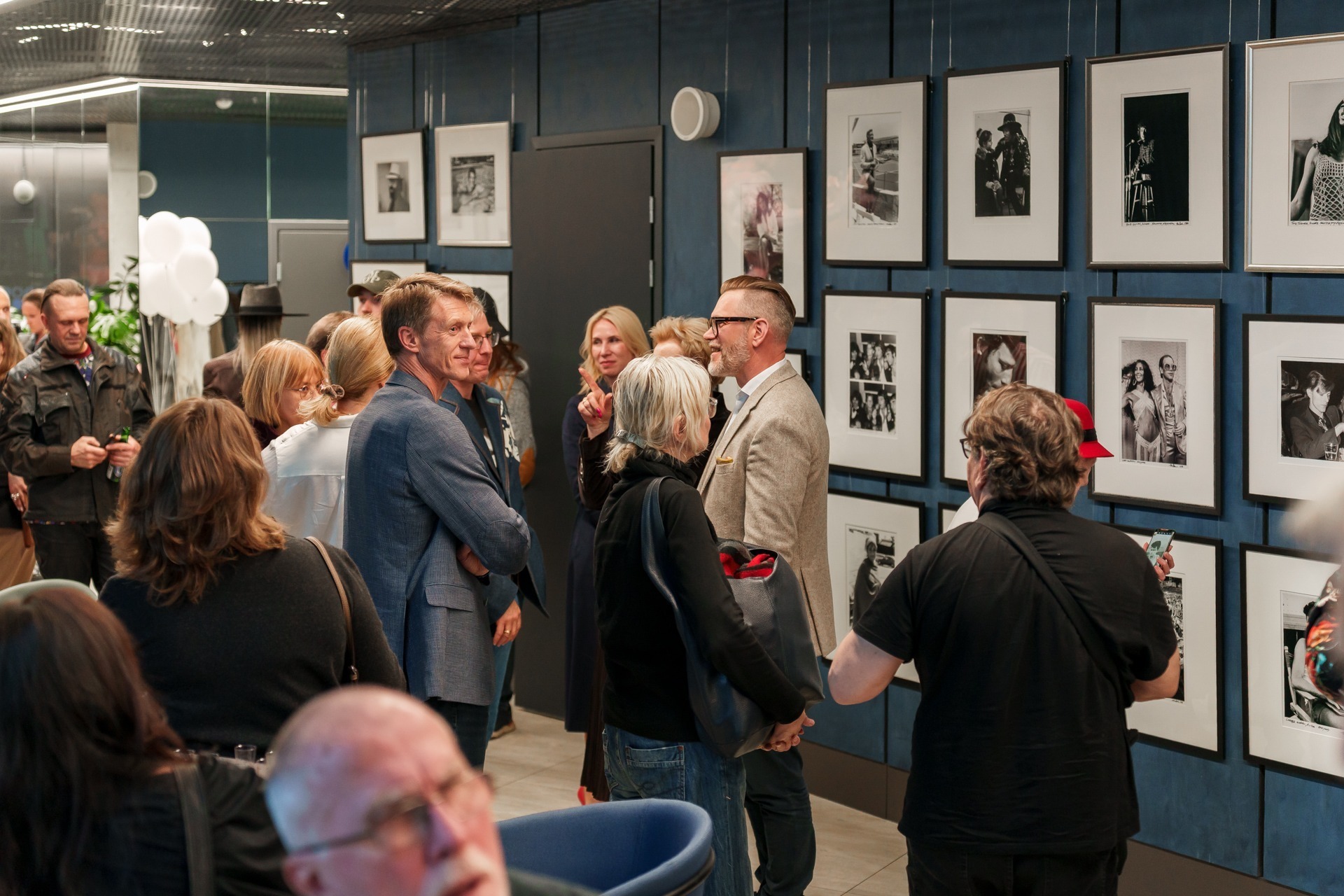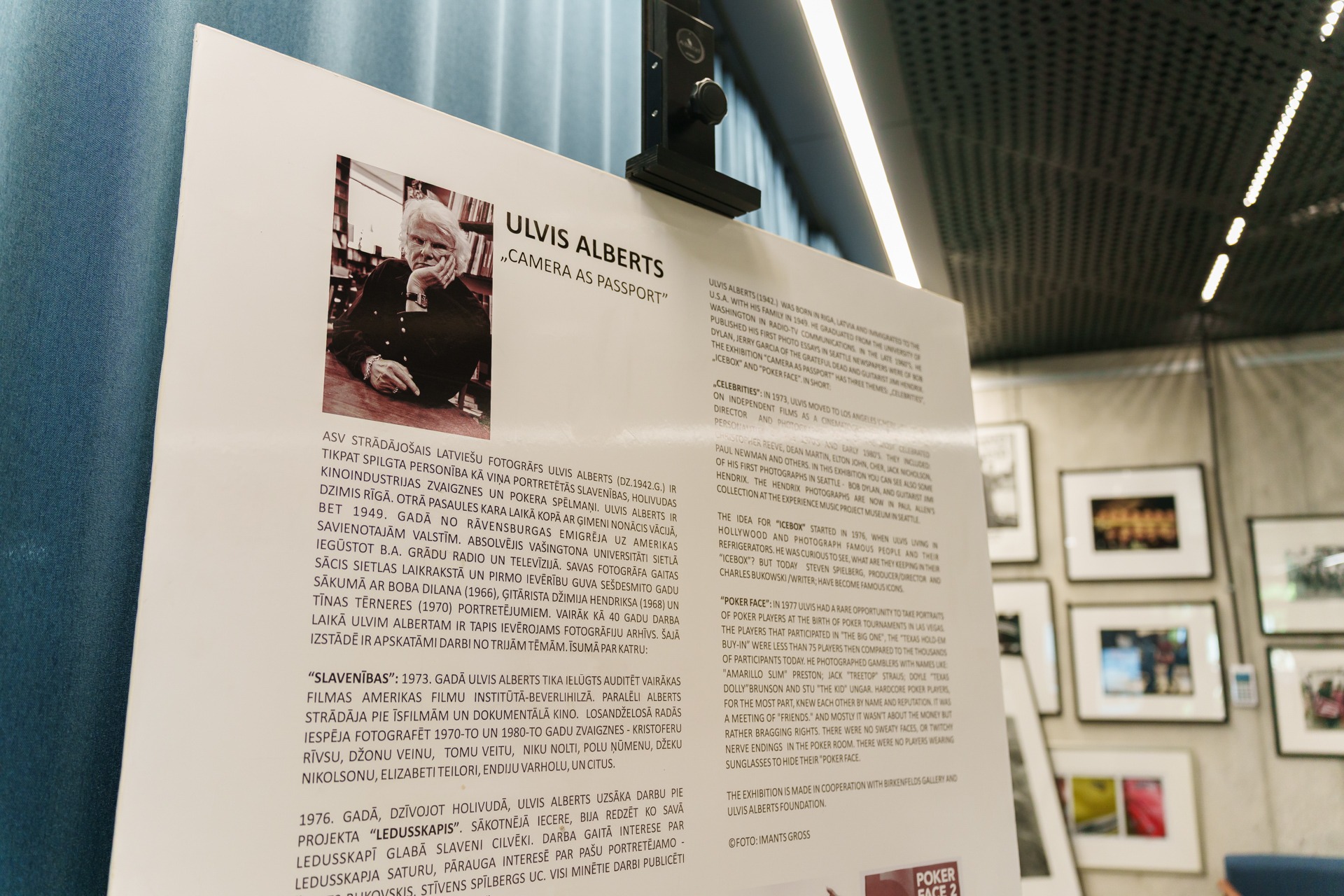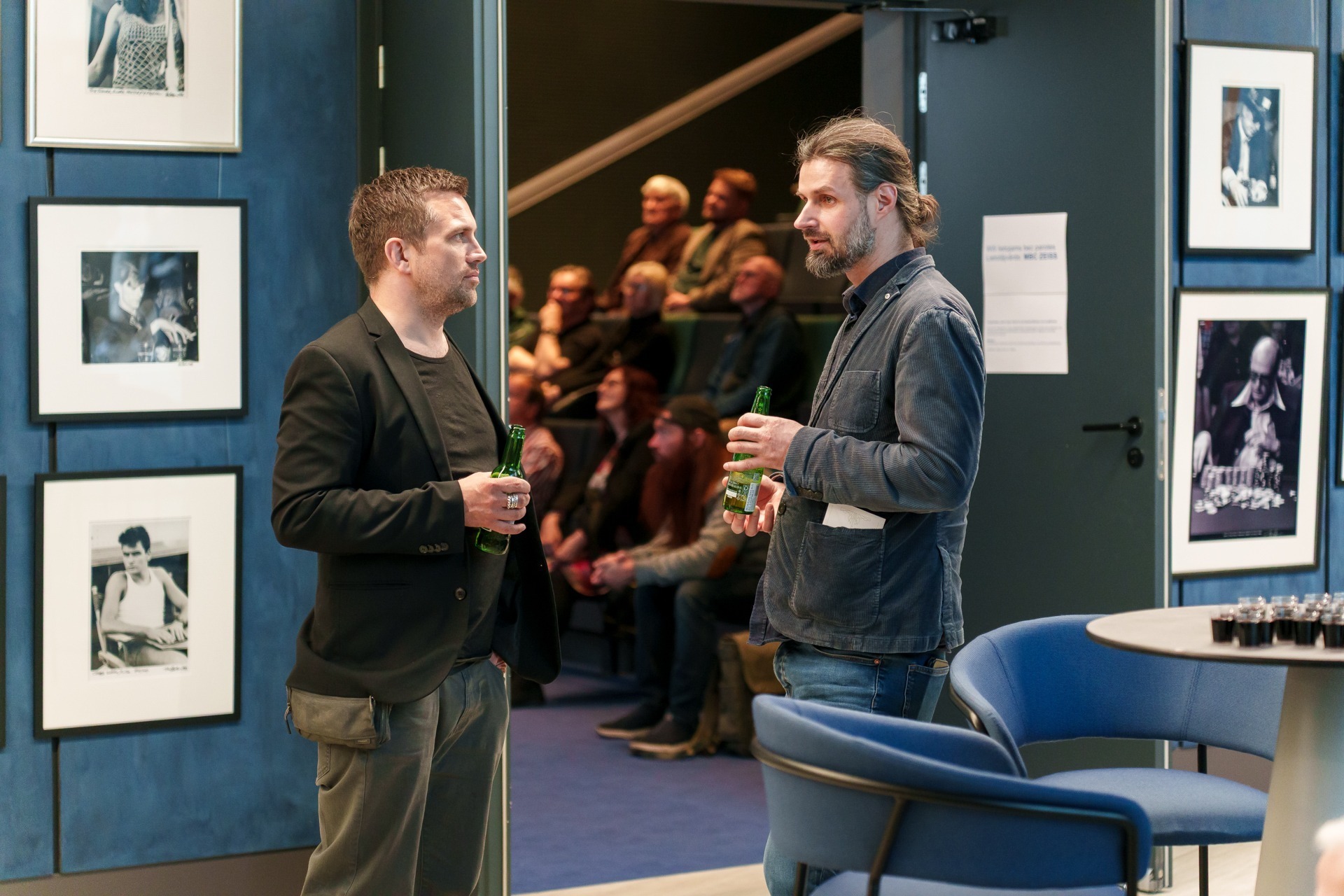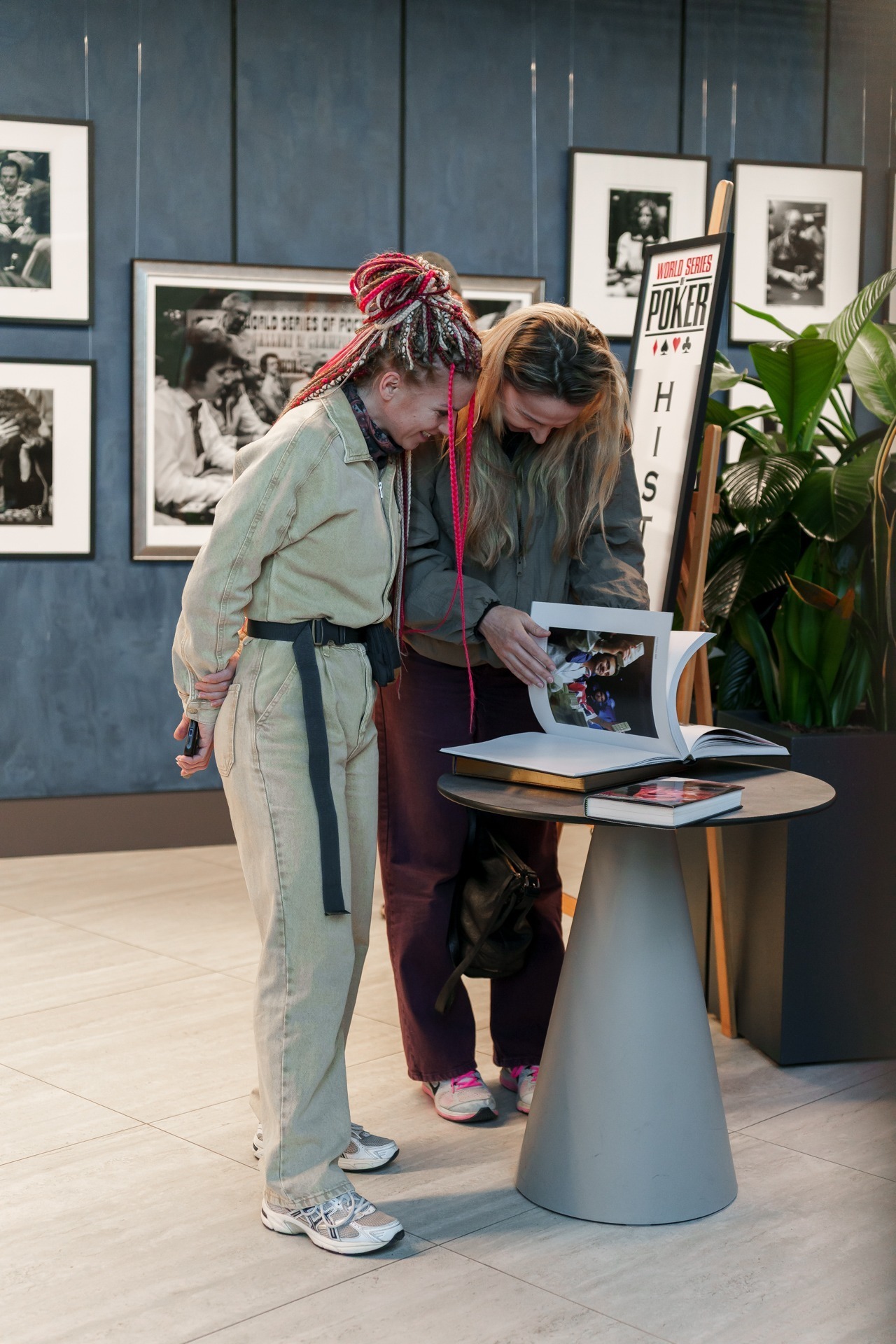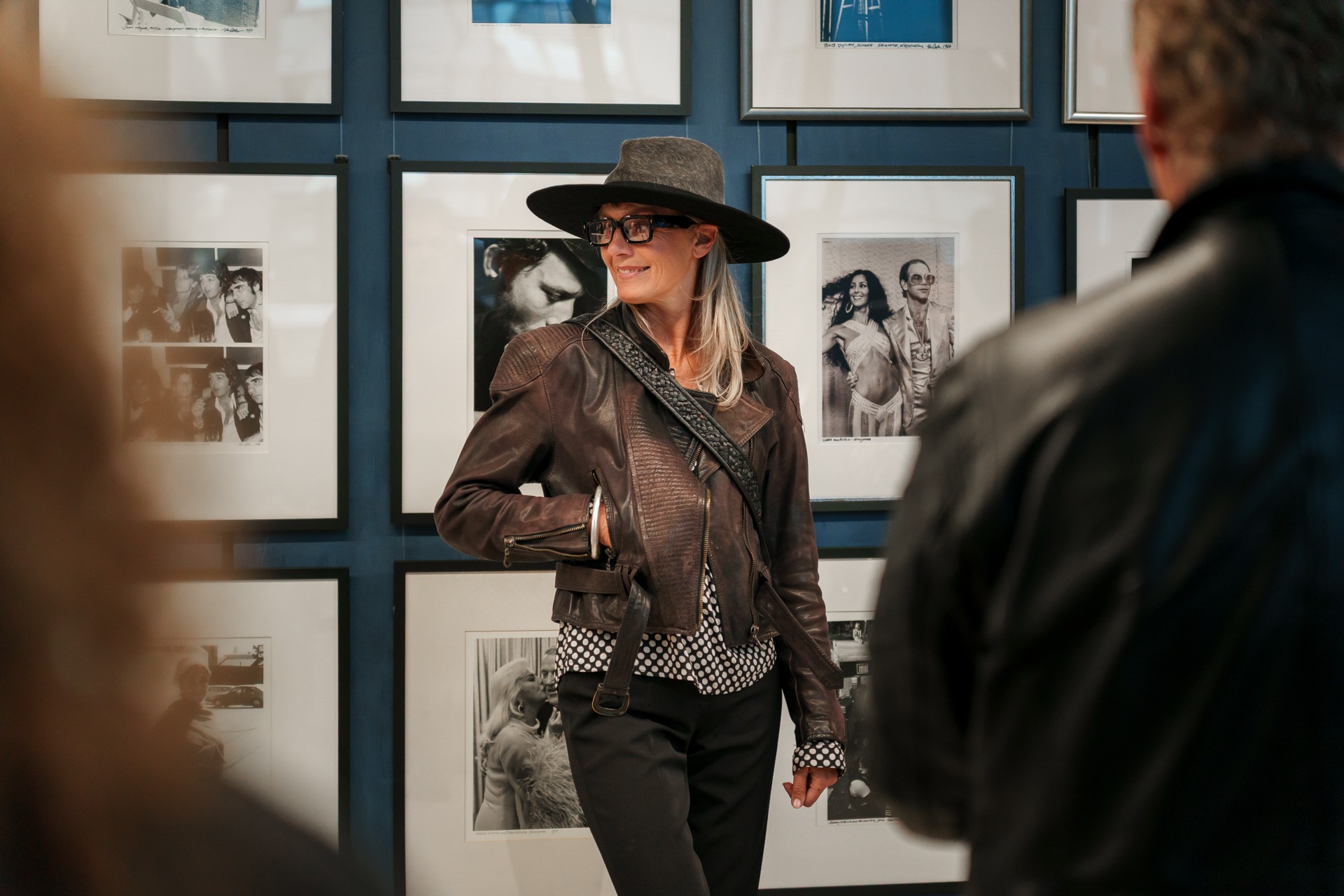


On 28 May, the retrospective exhibition “Camera as Passport” by Latvian-born American photographer Ulvis Alberts (1942–2025) opened at ZEISS Biroji as part of the Riga Art Week (RAW) programme.
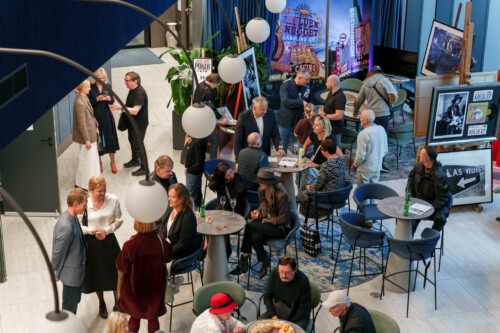
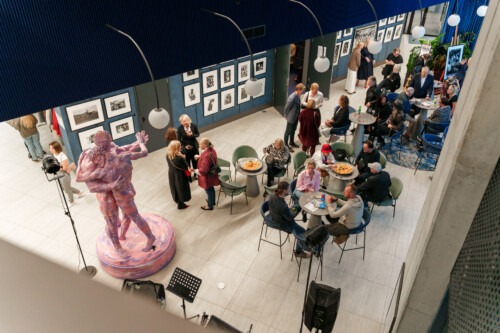
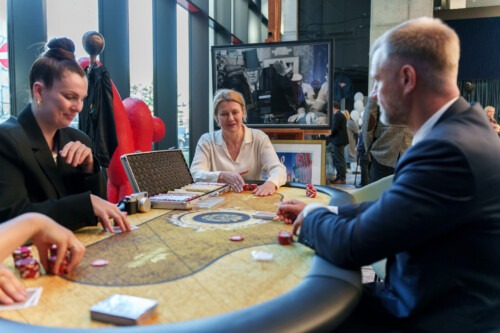
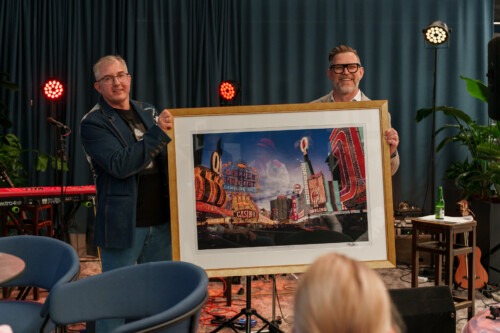
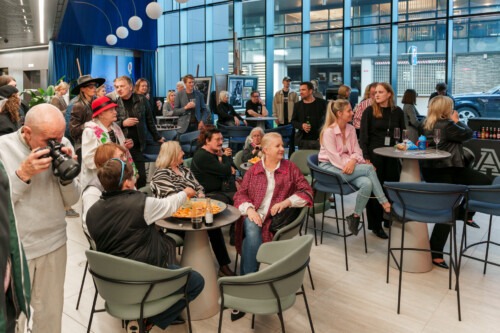
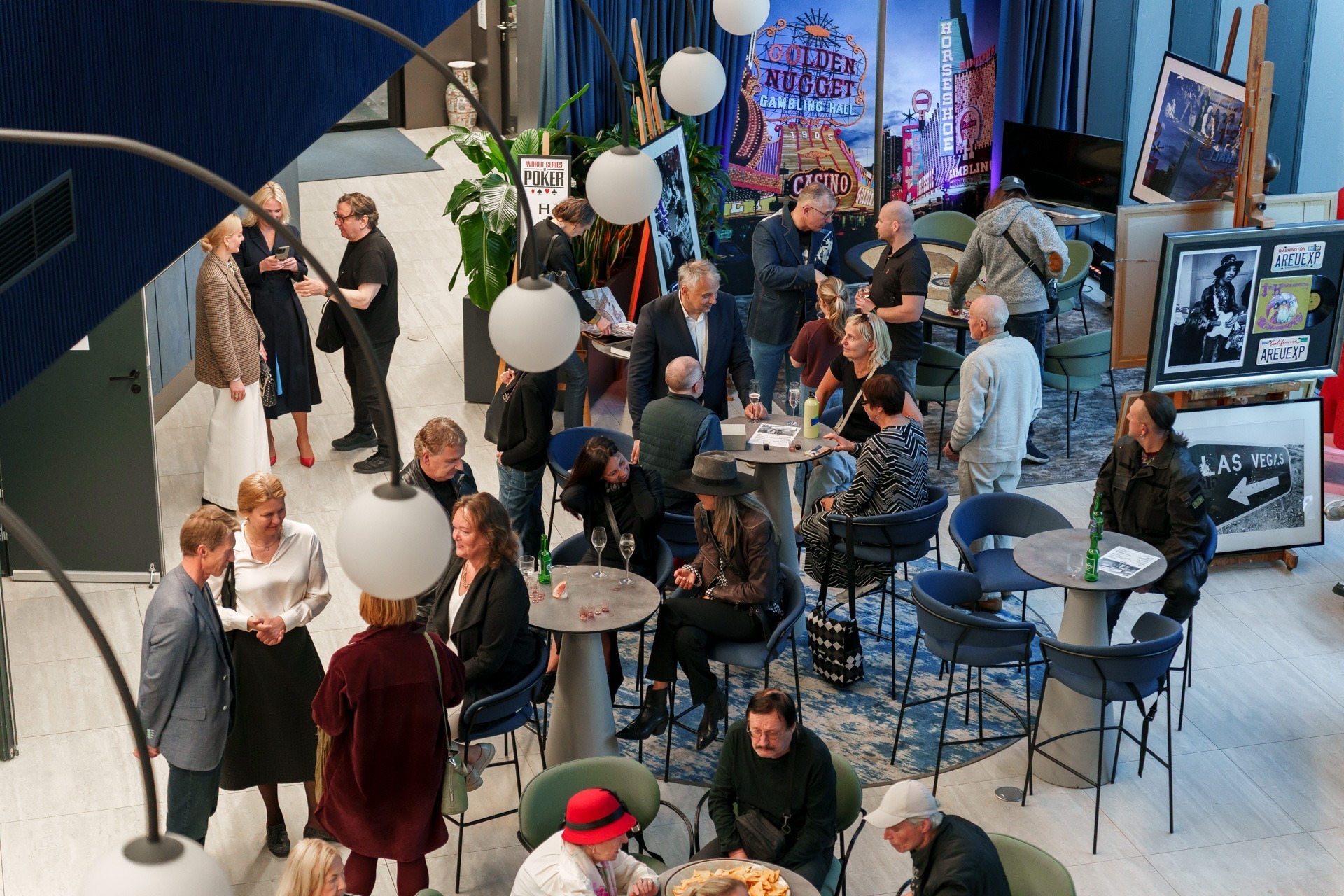
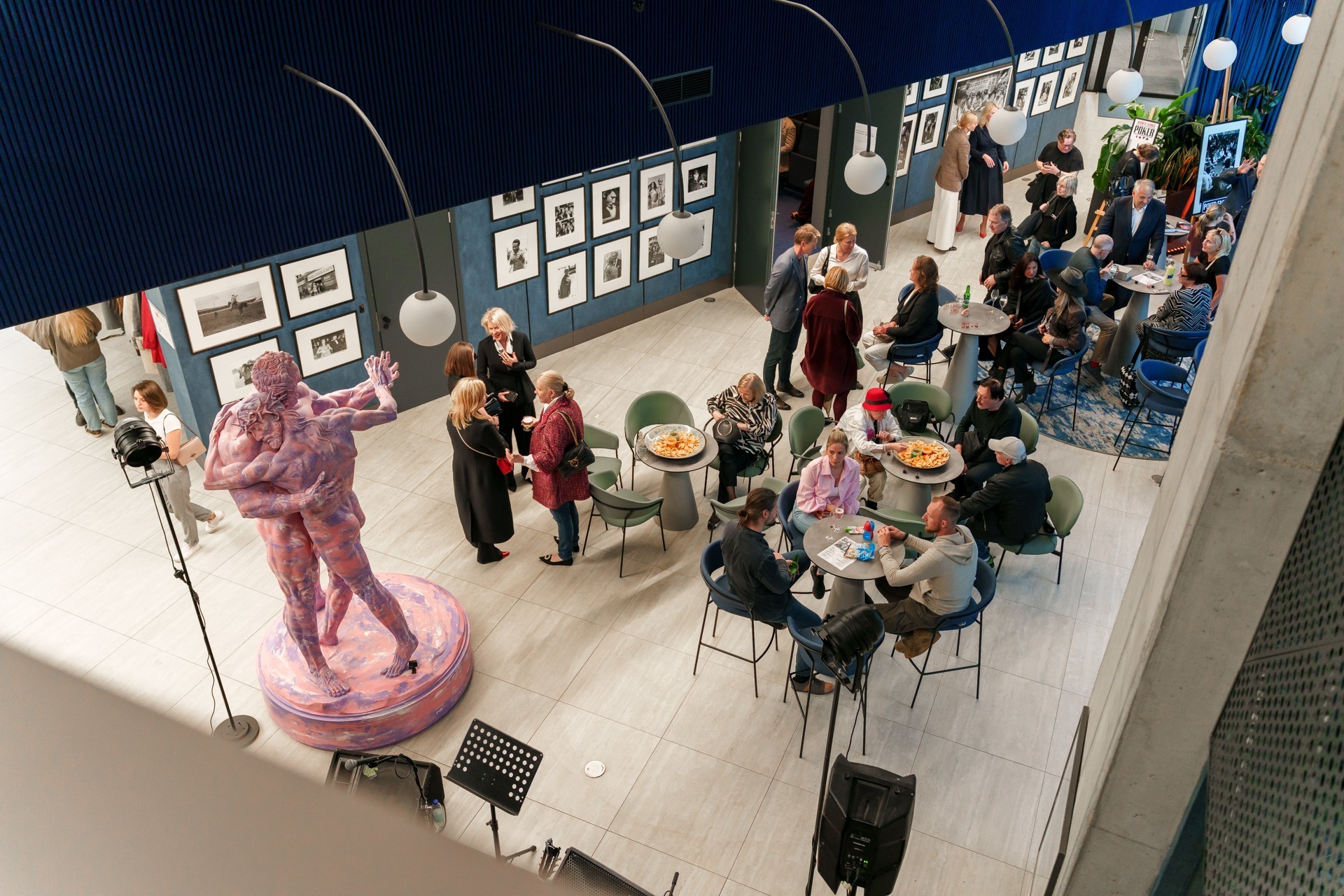
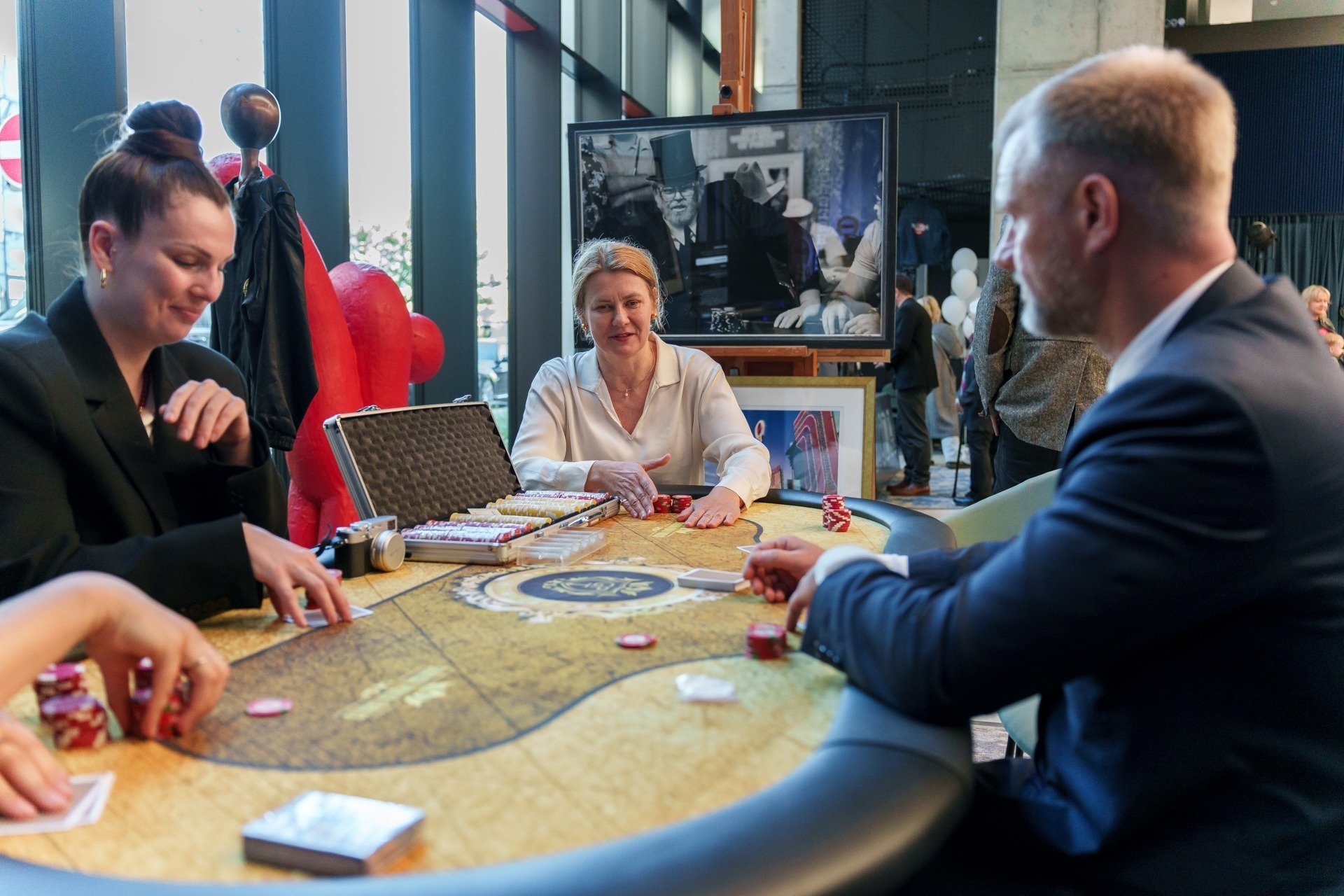
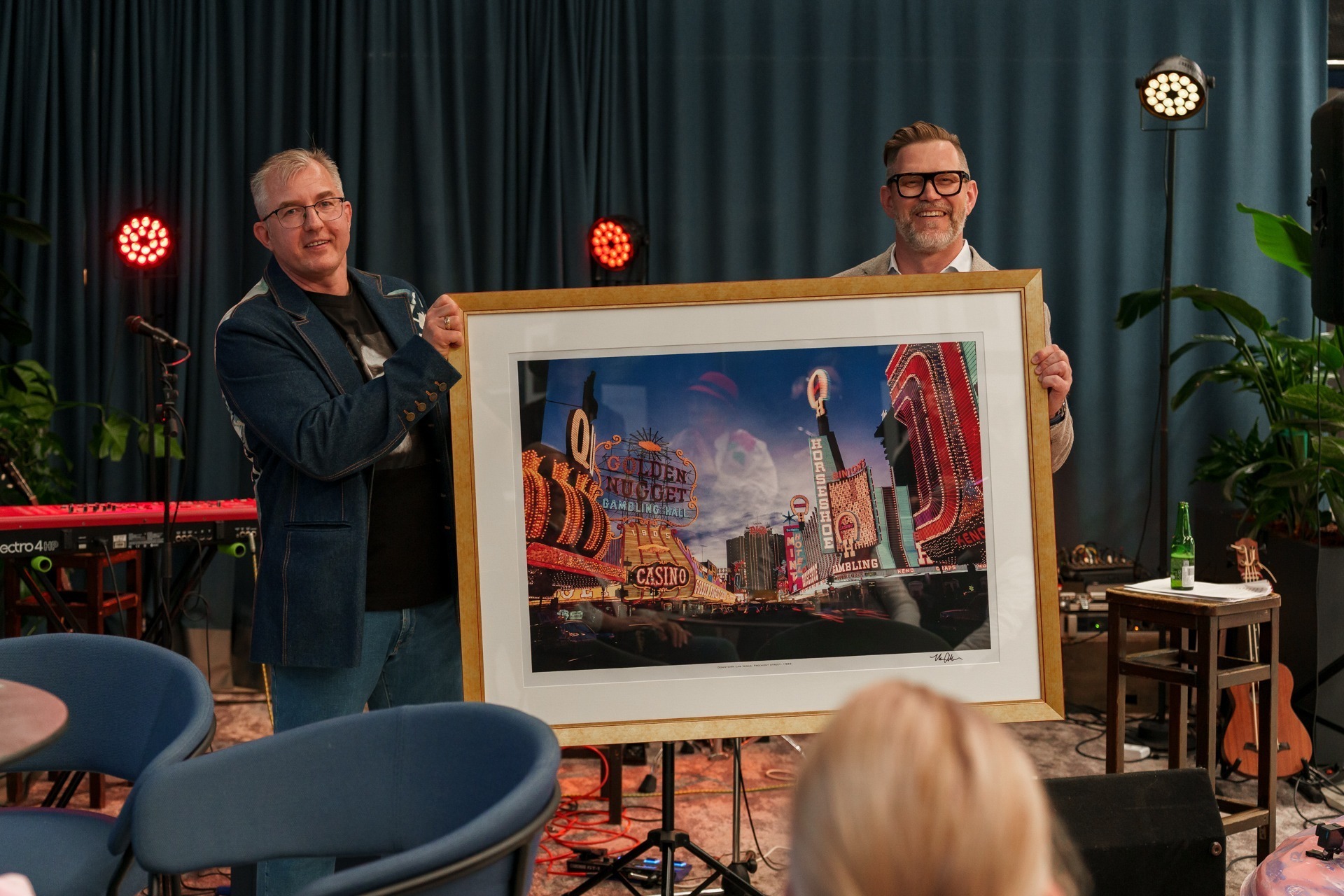
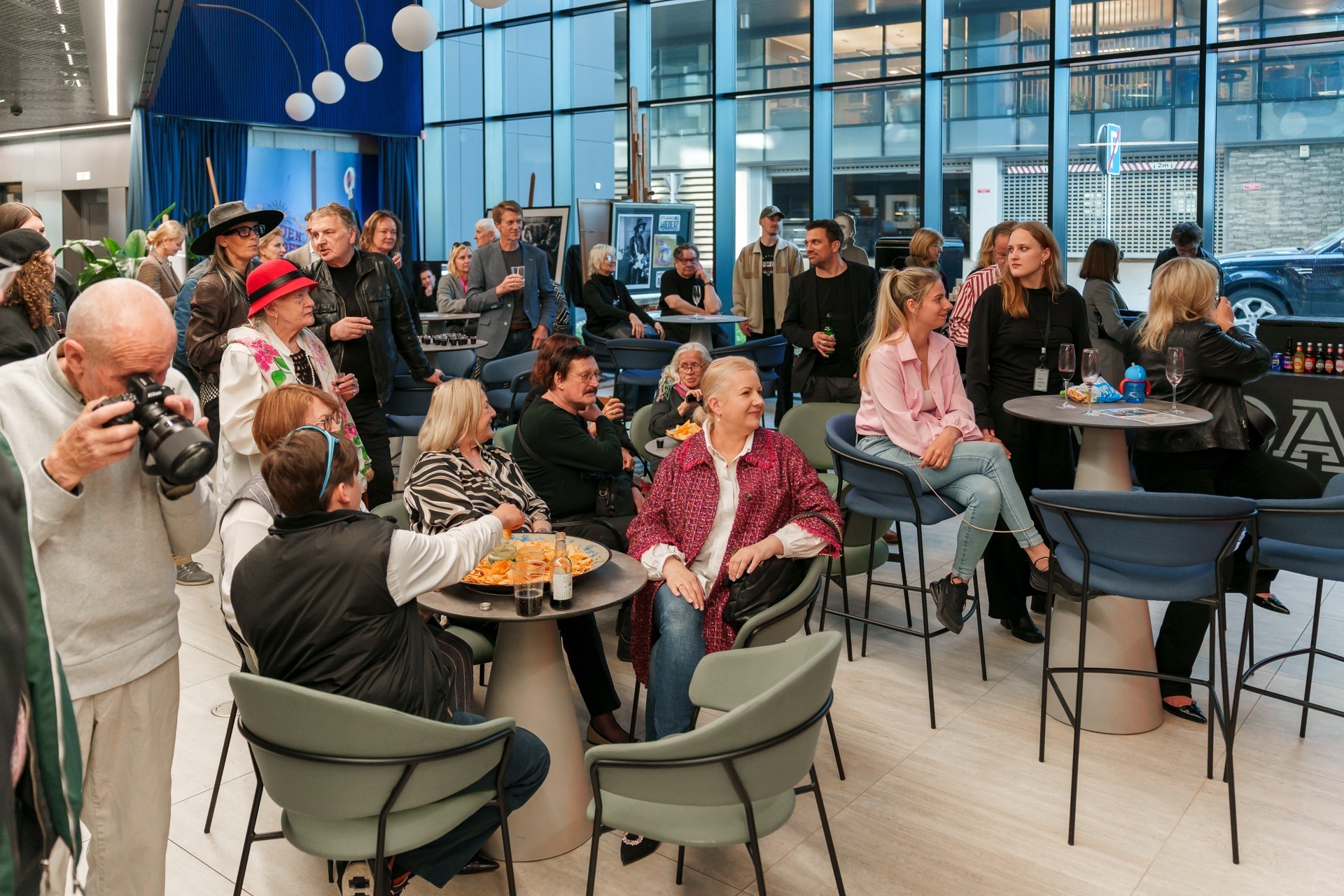
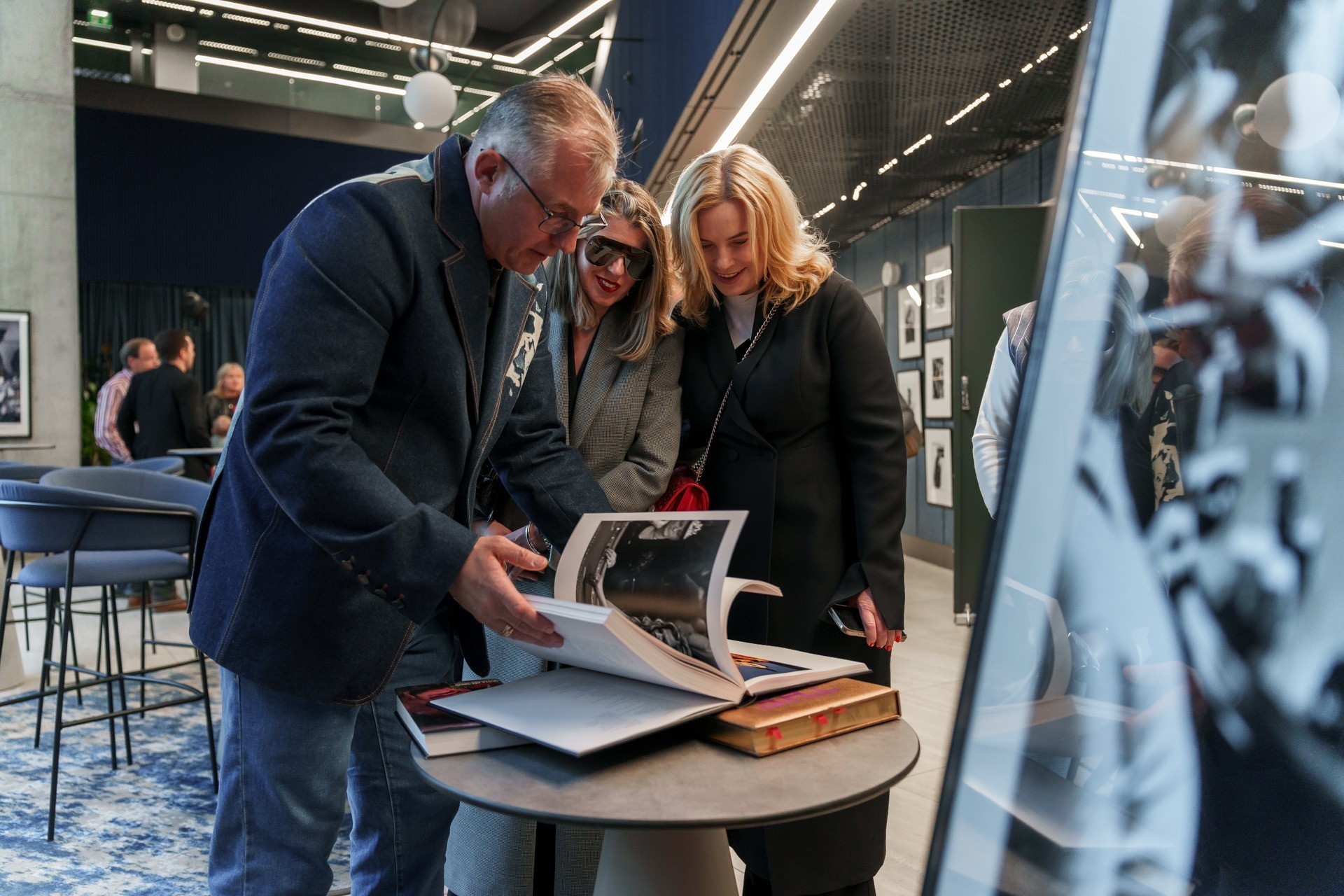
The opening evening brought together art enthusiasts, photography admirers and guests at ZEISS Biroji. Remarks were delivered by Klāvs Vasks, co-owner of Mūkusalas Biznesa Centrs, and Toms Zvirbulis, founder of Gallery Birkenfelds. Visitors had the opportunity to watch a documentary about Ulvis Alberts, play poker, explore merchandise created for the exhibition and spend the evening in conversation at the cocktail bar. The atmosphere was further enriched by a live performance from Tom Waits Birthday Band.
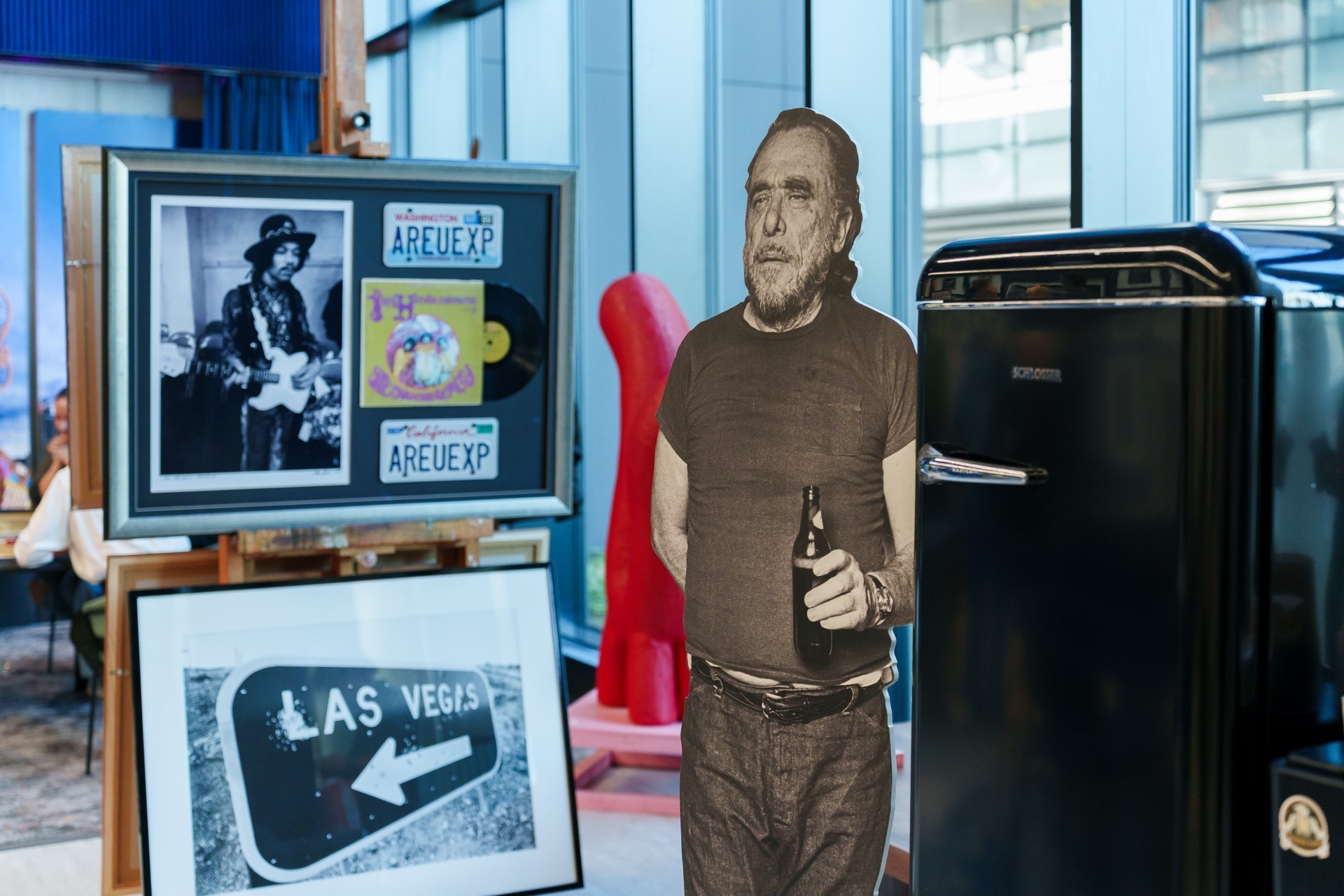
The exhibition title reflects Ulvis Alberts’ life and career with remarkable accuracy. A child refugee who, during the war years, fled with his family first to Germany and later to the United States, Alberts graduated from the University of Washington in Seattle and, by the late 1960s, had already found his way onto the pages of some of America’s most influential magazines. His subjects included Bob Dylan, Jimi Hendrix, Tina Turner, Steven Spielberg and many other cultural icons of the era. For Alberts, the camera truly became a passport, opening doors to worlds that would otherwise have remained inaccessible – from Hollywood studios to Soviet Riga, from Las Vegas poker rooms to divided Berlin.
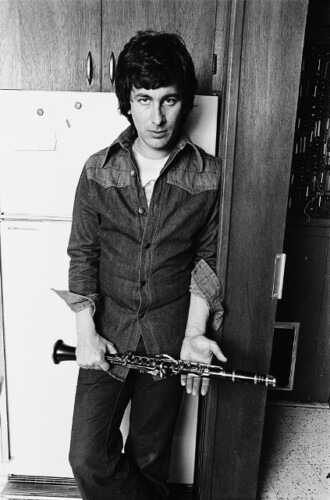
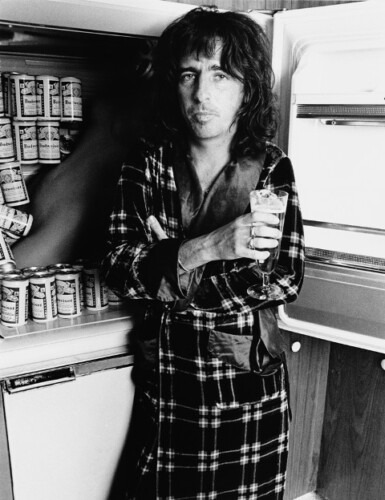
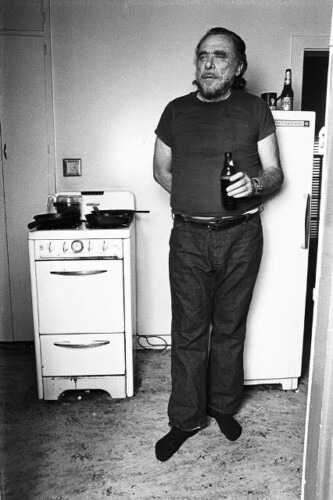
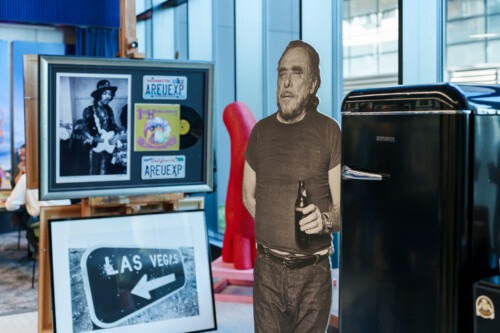
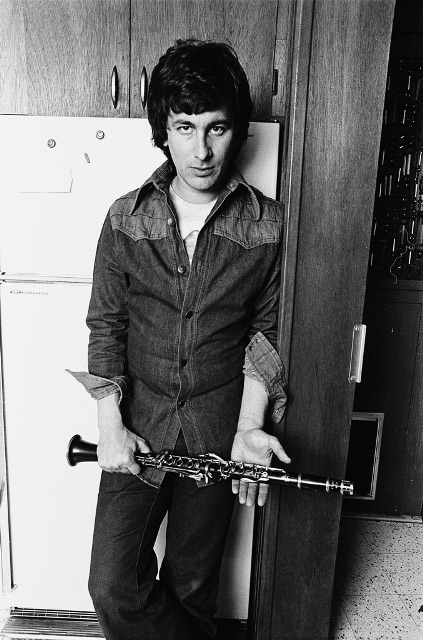
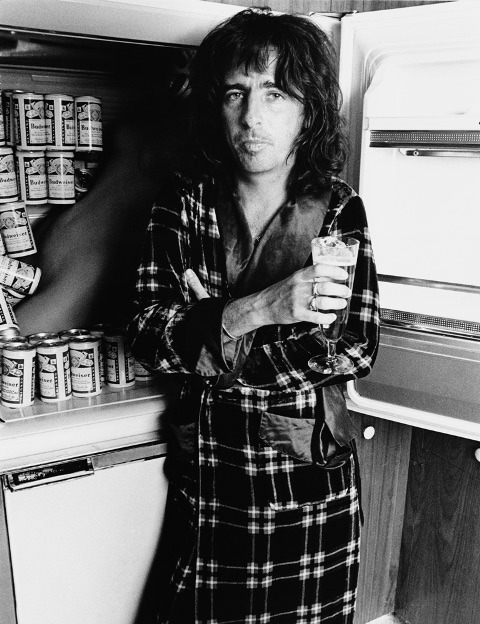
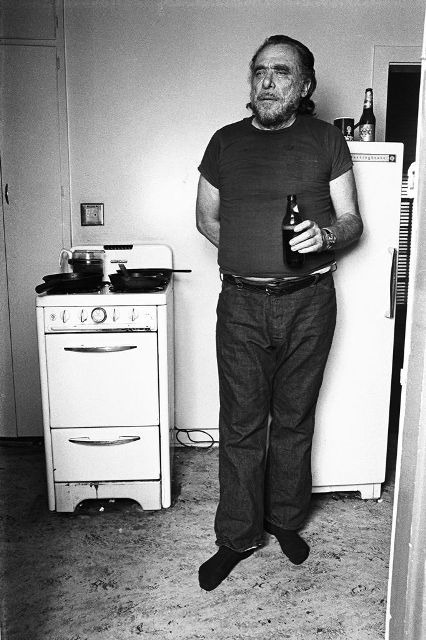
The exhibition features more than 60 works organised into several thematic series. Icebox began in 1976 as a commission from Los Angeles Magazine, built around a seemingly simple question: what can be found inside a celebrity’s refrigerator? The answers proved surprisingly revealing. Behind the refrigerator doors were personal portraits – from Steven Spielberg’s favourite avocado to the refrigerator of Paul Morrissey, a close collaborator of Andy Warhol, which contained nothing but oranges. The Celebrities series continues this human perspective, featuring cultural icons of their time: from Jimi Hendrix, whose 1968 photograph was sold for more than USD 10,000 at Elton John’s collection auction in 2024, to writer Charles Bukowski, whom Ulvis Alberts portrayed as a literary icon.
Many photographs in this series were created during a period when photographing celebrities was still based on direct personal connections. This atmosphere is further reflected in Hollywood’s play with illusion: in the Hard Rock Café series, lookalikes of Jimi Hendrix, Marilyn Monroe and James Dean appear together in a single frame – a meeting that could never have happened in reality.
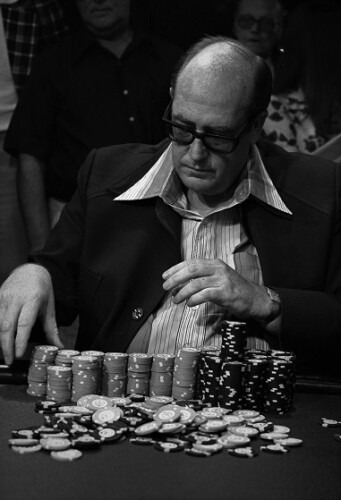
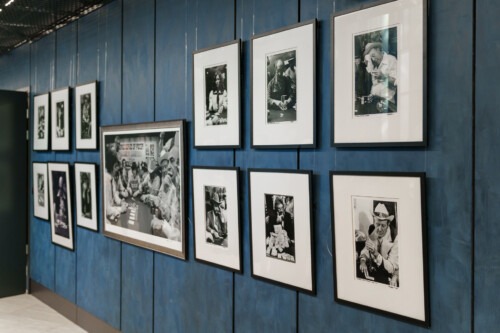
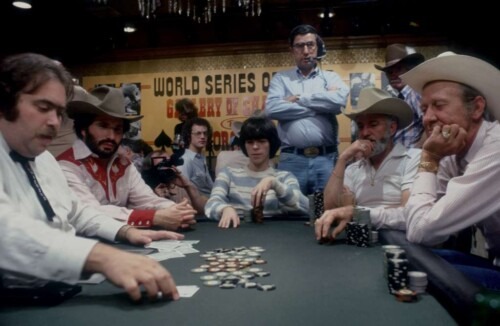
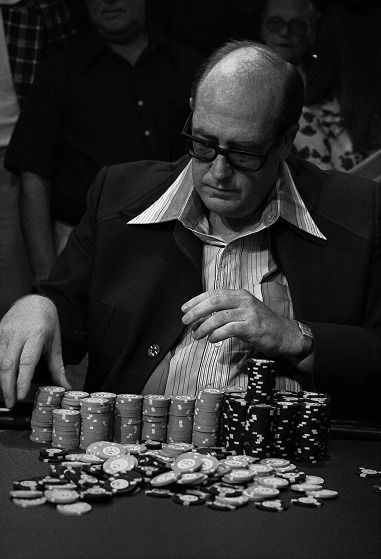
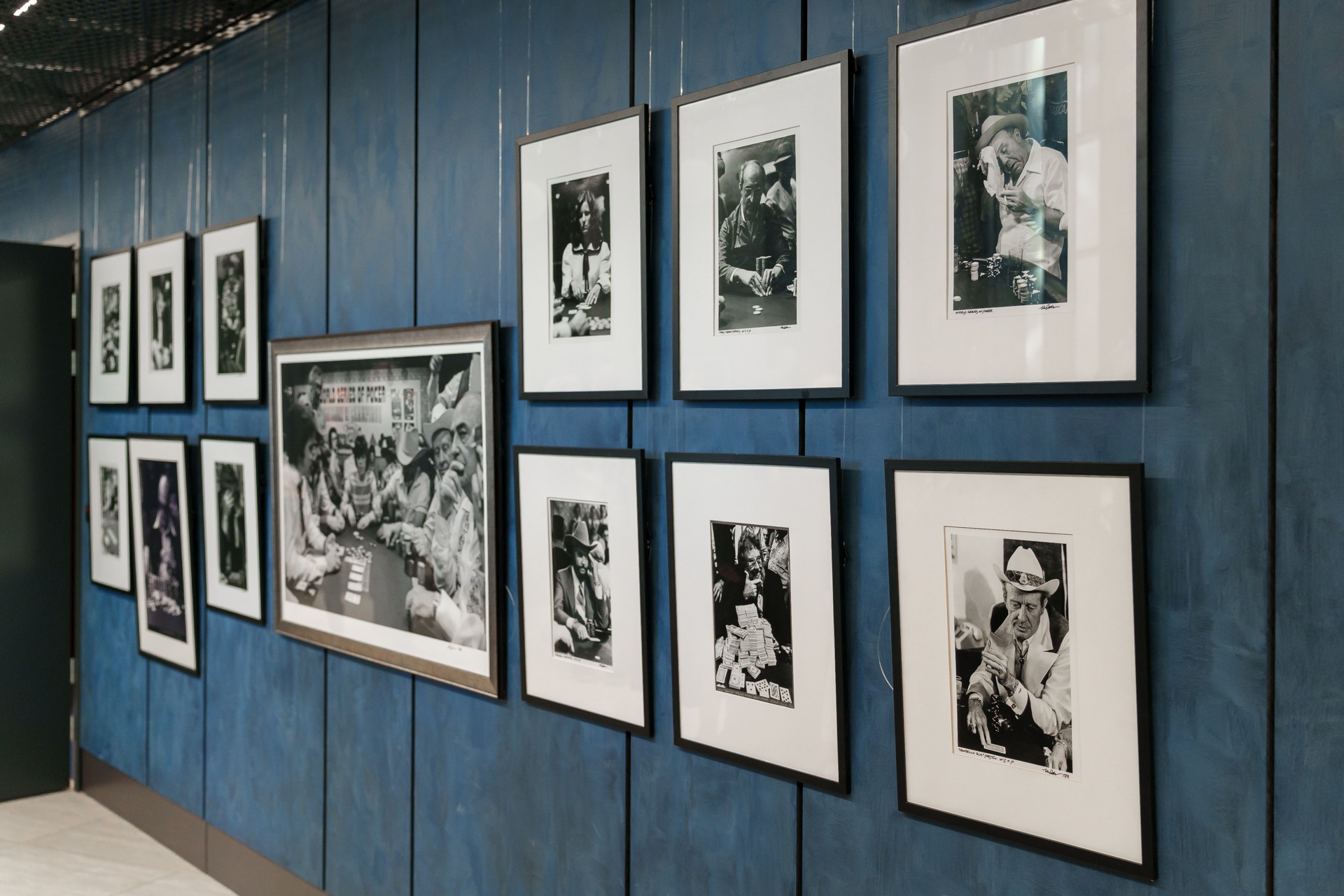
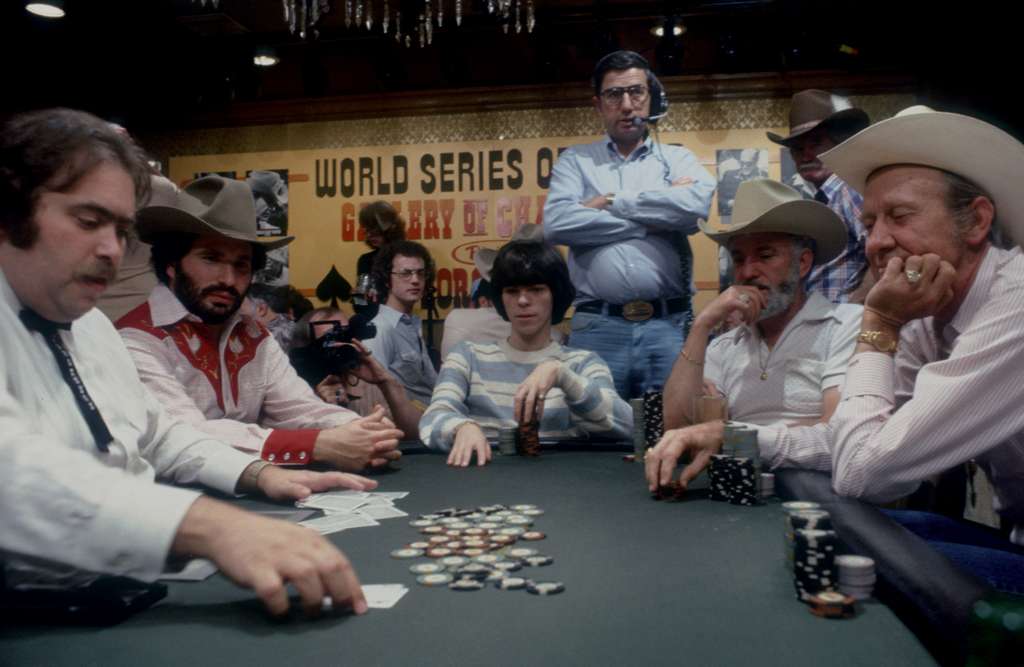
A different world is revealed through the Poker Face series. Its origins are tied to a Las Vegas legend: when a casino launched the World Series of Poker to bring together players who had previously been known only by nicknames such as “Texas Dolly” and “Amarillo Slim”, Alberts was commissioned to photograph them. For decades, he returned to the poker table, capturing faces marked by psychological tension – a gesture, a smile, a moment of gloom or the silence of a decisive hand.
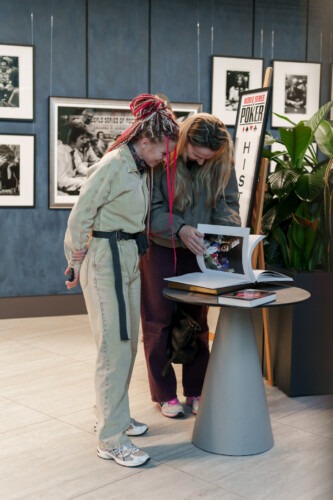
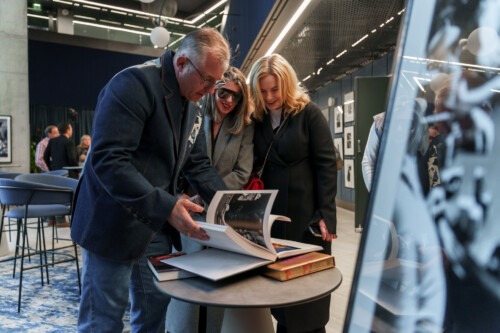
These works remain highly regarded within the poker community and have also been published in The New York Times. The exhibition includes poker legends such as Doyle Brunson, often referred to as the godfather of poker, who spent six decades at the table. A selection of these photographs was also published in the photo album Poker Face 2.
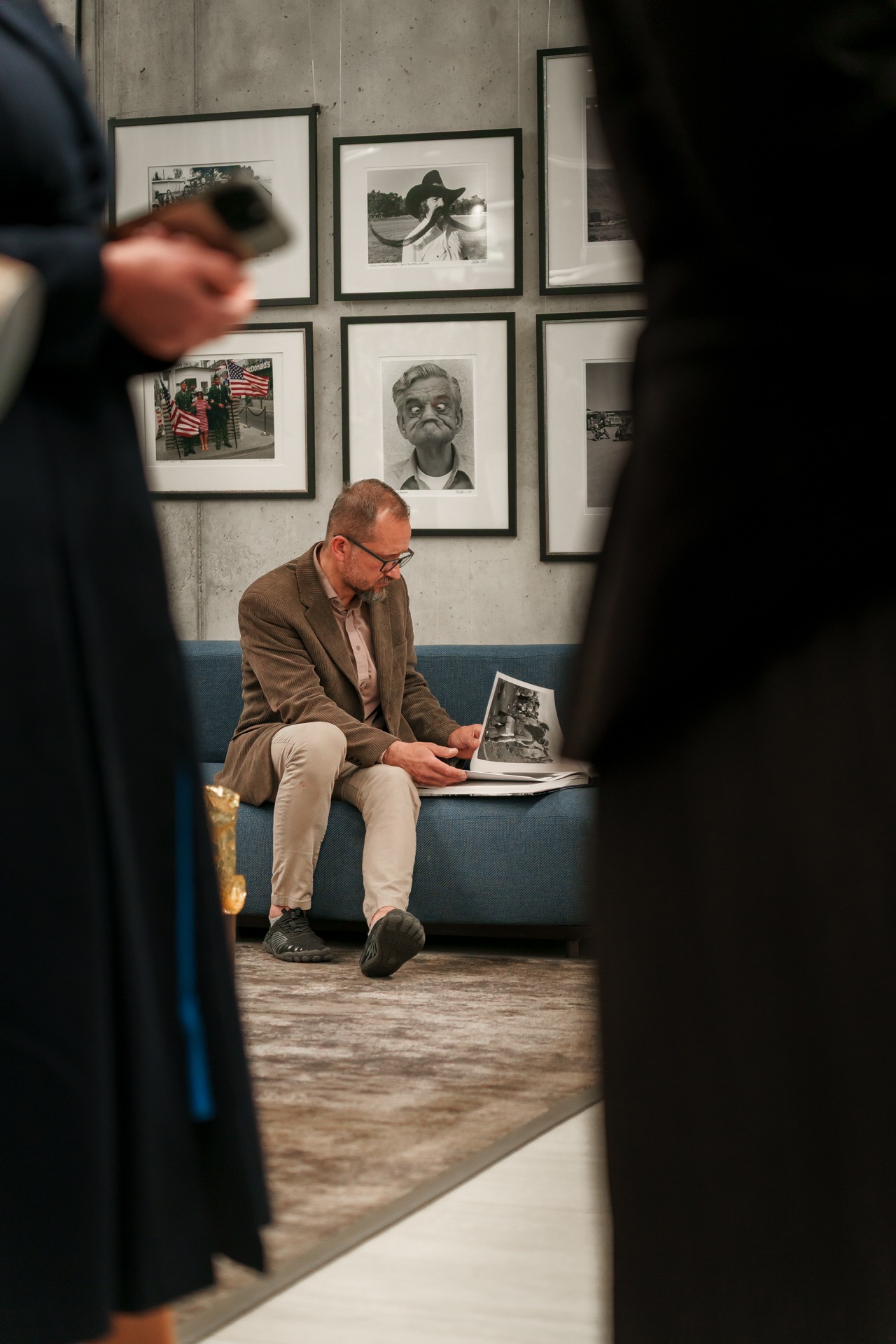
Latvia holds a special place within the exhibition. In 1983, inspired by photographer Jānis Kreidsbergs, Ulvis Alberts returned to his homeland for the first time and saw everyday life in Soviet Latvia through the eyes of a Westerner: Communist parades, girls with long braids and boys in tracksuits. The photographs taken in 1998 reveal a very different generation – young people in a restored country, with a different outlook and a different sense of freedom. The same perception of borders is reflected in Alberts’ photographs of divided Berlin, where Checkpoint Charlie has since become a tourist attraction. Through these works, Alberts remains positioned between two worlds – East and West.
A large part of the exhibition consists of silver gelatin prints, a rarity in today’s digital age. Alongside the black-and-white photographs, visitors can also see hand-coloured landscapes from the American Southwest. These works recall a time when every image was carefully developed in a darkroom and the final result could not be seen immediately.
Gallery Birkenfelds director Toms Zvirbulis has known Ulvis Alberts personally since 2009. “It does not matter how much you read about art. What matters is how much you look at it. The experience of looking leaves an impression. That is how you develop your taste,” says Toms Zvirbulis. Alberts’ works are arranged according to the logic of life itself, where the humorous can stand alongside the tragic. Their sources of inspiration are literary, political and deeply personal.
From an archive spanning more than half a century, which continues to be offered to international media through a Los Angeles-based agency, each exhibition requires a careful selection of works that will engage with a particular space. “Selecting the works is always a significant challenge,” says T. Zvirbulis. The high ceilings and spacious walls of ZEISS Biroji call for works that are more than decoration – works that encourage visitors to pause, reflect and engage.
MŪKU SALA is gradually developing into a place where culture complements the business environment. The architecture, proximity to the Daugava River, the green surroundings of Zaķusala, the rooftop terrace and convenient accessibility create a setting that enhances the exhibition experience.
“Camera as Passport” is organised by gallery Birkenfelds in collaboration with MŪKU SALA. The exhibition is on view at ZEISS BIROJI, Dēļu iela 2, until mid-August. Free entry, weekdays 9:00–17:30.
This material was produced in collaboration with gallery Birkenfelds.
Photo sources: birkenfelds.lv and Mūkusala Business Centre